Is There Sargassum in Cancun Right Now? (2026 Beach by Beach)
Sargassum is hitting Cancun's east-facing beaches at the peak of a heavy 2026 season, but the bay-side beaches and nearby islands stay far clearer. Here is where to go and how to check any beach before you book.
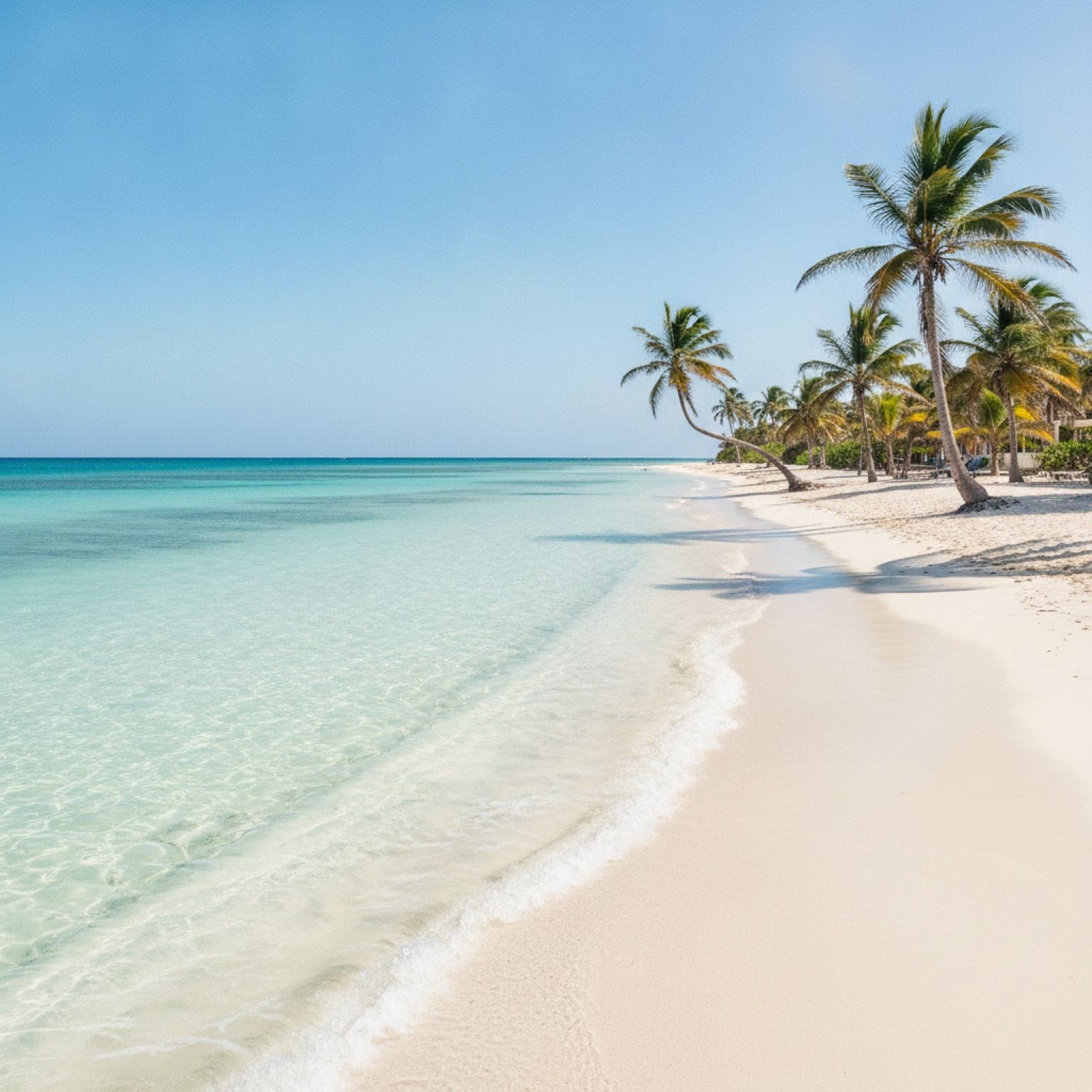
If you are booking Cancun for this summer and seeing photos of brown seaweed piled up on the sand, here is the honest answer to the question everyone is asking. Yes, there is sargassum in Cancun right now, because late July sits at the peak of what forecasters called a major 2026 season. But sargassum does not hit the whole coast evenly, and some of the most beautiful beaches in the area stay clear even in a heavy year. Before you cancel anything or panic-book somewhere else, here is exactly where the seaweed lands, where it does not, and how to check any specific beach the day before you travel.
What is actually happening in 2026
The University of South Florida, which runs the satellite monitoring that scientists rely on, flagged early in the year that 2026 would be a major sargassum year, meaning volumes well above the historical average. The Great Atlantic Sargassum Belt, the roughly 5,000-mile ribbon of seaweed that drifts across the ocean, has tracked at or near record levels this year, second only to the record set in 2025.
That belt does not arrive all at once. It breaks into clusters that reach the Mexican Caribbean in staggered waves through the spring and summer, which is why a beach can look pristine one morning and take on a fresh line of weed a few days later. The takeaway for a traveler is simple. This is a real season, it is heavier than average, and July and August are the worst months. It is also patchy, it is manageable, and it is very beatable if you know where to point yourself.
Which Cancun beaches get hit hardest
Geography decides almost everything here. Cancun's Hotel Zone is shaped like the number seven, and the two legs of that seven face completely different directions.
The long vertical stretch on the east side faces straight into the open Caribbean. That is where the prevailing winds and currents push the sargassum ashore, so beaches like Playa Marlin, Playa Ballenas, and Playa Delfines at the southern end tend to catch the most weed during peak season. These are gorgeous, wide beaches, and resorts along this stretch work hard to keep them clean, but they sit directly in the path of whatever the ocean brings in.
If your heart is set on that side, it is not a lost cause. It just means you should lean on the resort's daily cleanup and check conditions close to your travel date rather than assuming a glossy brochure photo reflects this week.
The Cancun beaches that stay clearer
Here is the part most panic headlines leave out. The top of the seven, the beaches that face north into Bahia de Mujeres, sit in a natural wind and current shadow and routinely stay far clearer than the exposed east side.
That includes Playa Las Perlas, Playa Langosta, Playa Tortugas, and Playa Caracol. These bay-side beaches face north and northwest, away from the southeasterly drift that carries sargassum onto the coast, and Isla Mujeres partially blocks the mouth of the bay. They tend to hold light or scattered amounts even when the east-facing beaches are having a rough week. If a clear swim is your priority and you want to stay in the Hotel Zone, book toward the top of the seven.
The clear-water escapes a short hop away
If you want the highest odds of clear turquoise water with no seaweed, the smart move is to base yourself, or at least spend a day, at one of these spots.
Playa Norte on Isla Mujeres is the most reliably clear beach in the whole area. It faces northwest, shielded from the drift, and consistently rates as clear when the mainland is struggling. It is a 25-minute ferry from Puerto Juarez, which makes it an easy day trip or a genuinely different base for your stay.
Isla Holbox sits on the north, Gulf-facing side of the peninsula, largely out of the Caribbean sargassum path, and shows up again and again as one of the most consistently clear places in 2026. Cozumel's leeward west coast stays lighter than its exposed east side because the island itself blocks the weed. And if you just want guaranteed no-seaweed swimming on any day of your trip, the cenotes inland are freshwater, naturally sargassum-free, and unforgettable.
Not sure which base gives you the best shot at clear water for your exact dates? Plan your trip with me and I will match your travel window to the beaches and resorts that are holding up best right now.
How to check any beach before you book
You do not have to guess. A few tools give you a real read on conditions.
The Red de Monitoreo del Sargazo de Quintana Roo publishes a near-daily traffic-light map covering roughly 140 beaches, marking each one green, yellow, or red. It is the single best same-day tool and it is free. The University of South Florida publishes monthly outlook bulletins and satellite belt maps that show the big-picture trend, which is useful for understanding whether the season is ramping up or easing. Many resorts also run live beach webcams, so you can look at your specific property in the days before you fly.
One honest tip the monitoring network itself stresses. Check the day of, not a photo from last month, because a beach can flip color overnight when the wind and current shift.
The silver lining
A heavy sargassum season is also the reason you can find real deals. When headlines scare people off, resorts get more flexible on price, and travelers who know how to pick a clear-water beach get a beautiful trip for less. Pair a bay-side or island beach with a resort that runs serious daily cleanup, and you can have the Cancun trip you pictured while other people cancel over a problem they could have sidestepped.
Frequently asked questions
Is there sargassum in Cancun right now? Yes. Late July is the peak of a heavy 2026 season, so the east-facing Hotel Zone beaches are seeing sargassum. It is patchy, it varies by beach and by day, and the bay-side beaches and nearby islands stay much clearer.
Which Cancun beaches have the least sargassum? The north-facing bay-side beaches at the top of the Hotel Zone, including Playa Caracol, Playa Langosta, Playa Tortugas, and Playa Las Perlas, plus Playa Norte on Isla Mujeres, Isla Holbox, and Cozumel's west coast.
When is sargassum season in Cancun? It generally runs from April to October, builds in May, peaks in June through August, and eases in the fall. Beaches are typically at their clearest from November through March.
Do resorts clean the sargassum? Many Hotel Zone resorts run daily beach cleanup and some install offshore barriers to keep their swim areas usable. Effectiveness varies by property, so it is worth asking your resort directly what they do.
Should I cancel my Cancun trip because of sargassum? No. You can beat it by choosing a north-facing or island beach, checking the daily map before you go, and booking a resort with active cleanup. Cenotes and the calmer bay beaches give you no-seaweed options on any day.
The bottom line
There is sargassum in Cancun right now, and pretending otherwise would not help you. But this is a beatable problem, not a ruined vacation. The seaweed concentrates on the exposed east-facing beaches, while the bay-side beaches, Isla Mujeres, Holbox, Cozumel's west side, and the cenotes stay clear or seaweed-free. Point yourself the right way, check the daily map, and you get the turquoise water you came for.
If you want help picking the resort and beach with the best odds for your exact dates, plan your trip with me and I will do the legwork for you.
Booking a group, or want a rate you will not find on Expedia?
I book as a travel advisor with access to agent-only pricing, resort credits, and group perks. Tell me your dates and I will price it against whatever you just saw.
Get my agent rateFree planning for a limited time. Proposal within 24 hours.