Best Month to Visit Cancun (By Weather, Price, and Crowd Level)
The best months to visit Cancun overall are December through April, when dry weather and calm seas make beach conditions nearly perfect. If you want great weather with smaller crowds and lower prices, late November and May are the two sweet spots most travelers miss.
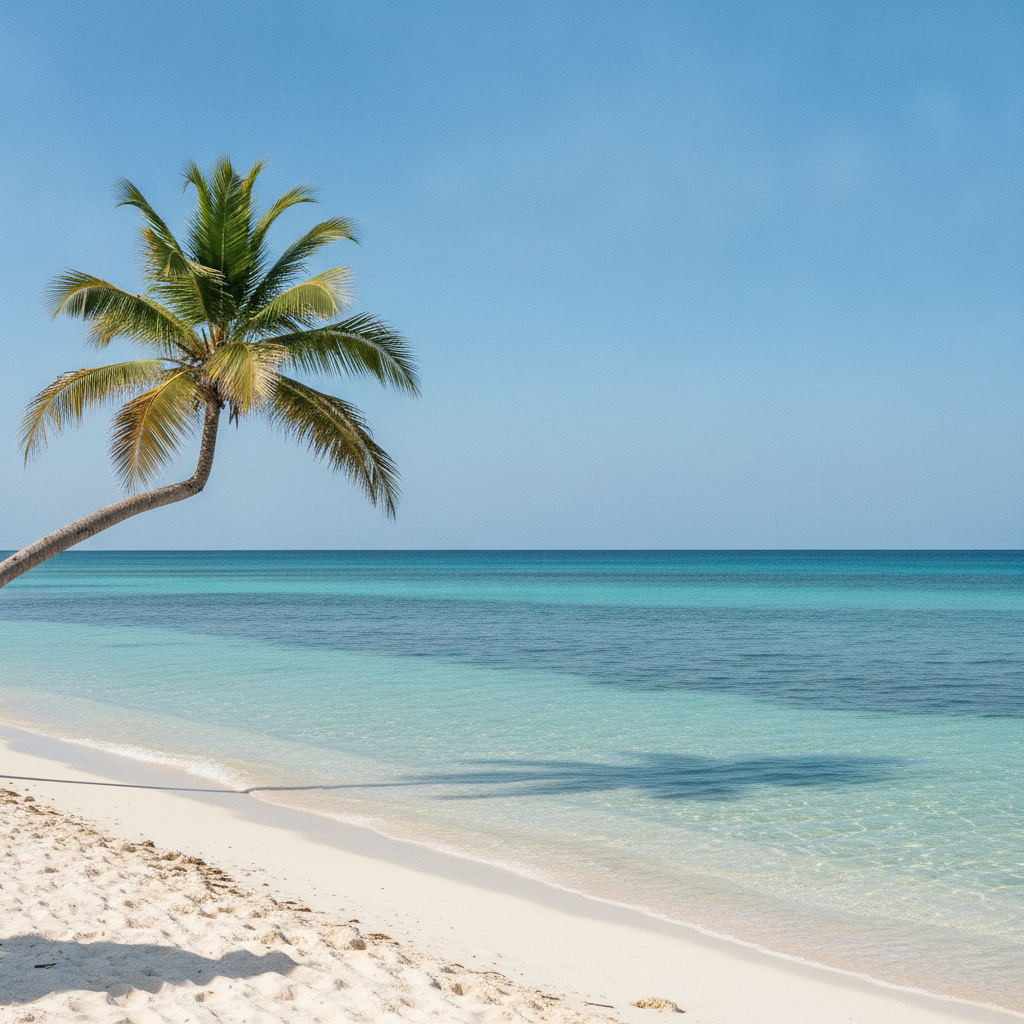
The best months to visit Cancun overall are December through April, when the dry season delivers clear skies, low humidity, and calm Caribbean water that stays around 79 to 82 degrees Fahrenheit. For a real sweet spot, look at late November and May: you still get excellent weather, but you'll find smaller crowds and prices that run 20 to 30 percent below peak-season rates.
Of course, the best month for you depends on what you're optimizing for. Budget travelers, families on school breaks, honeymooners chasing seclusion, and adventure seekers who want to swim with whale sharks all have different answers. This guide breaks it down month by month so you can match the timing to your actual priorities.
Cancun Weather by Season: Dry vs. Wet
Cancun has two distinct seasons, and knowing which one you're landing in makes a significant difference in the trip you'll experience.
The dry season runs from roughly November through April. Temperatures sit in the low-to-mid 80s Fahrenheit during the day, dropping to the low 70s at night. Humidity is manageable, rainfall is light, and the trade winds keep the Hotel Zone feeling fresh rather than oppressive. Water temperatures hover around 79 to 81 degrees Fahrenheit, making swimming comfortable without being bathwater-warm.
The wet season covers May through October. Daytime highs push into the upper 80s and occasionally hit 92 to 93 degrees Fahrenheit, and the humidity ramps up considerably. Rain typically arrives in short afternoon bursts rather than all-day downpours, so mornings are usually fine. The bigger concerns during this window are hurricane risk and sargassum seaweed, covered below.
Sargassum Season: When Seaweed Is a Problem
Sargassum is a type of brown seaweed that washes onto Caribbean and Gulf Coast beaches from roughly April through October, with peak accumulation in June, July, and August. At its worst, heavy sargassum piles up several feet deep on the beach, clouds the water, and produces a sulfur smell that can genuinely affect your experience.
In 2026, researchers at the University of South Florida have flagged this as a potentially record-level sargassum year, with unusually high seaweed volumes appearing even in January and February. The heaviest arrivals are expected from June through August. If crystal-clear turquoise water is the main reason you're going to Cancun, that's a meaningful consideration for summer travel.
The good news: November through March typically sees the least sargassum. The Hotel Zone's north-facing beaches (closer to the Nichupte Lagoon end) also tend to collect less seaweed than the south-facing beaches by the ferry pier.
Hurricane Season in Cancun
Atlantic hurricane season officially runs June 1 through November 30. For Cancun specifically, the meaningful risk window is narrower: mid-August through mid-October, with September 10 sitting near the statistical peak for the entire Atlantic basin.
To put the risk in perspective: Cancun has not taken a direct hurricane hit since 2005, and historically a direct hit occurs roughly once every twelve years. That said, tropical storms and near-miss systems are more common, bringing multi-day rain and rough surf. September and early October carry the highest probability of a weather disruption that cuts into beach days.
If you travel during hurricane season, the practical move is to book refundable rates or all-inclusive packages that include trip protection, and to keep an eye on forecasts 7 to 10 days out.
Month-by-Month Breakdown
December and January: Peak season, and for good reason. Temperatures are ideal (low 80s, low humidity), water is calm and clear, and sargassum is minimal. Hotel prices and airfare are at their highest, particularly around Christmas and New Year's. Expect to pay a premium, especially at the larger all-inclusive properties.
February: Similar conditions to December and January with slightly lower pricing once the holiday rush passes. One of the most consistently reliable months for weather. Couples and honeymooners in particular tend to love February in Cancun.
March: Excellent weather continues, but spring break arrives in force. Peak spring break weeks fall roughly between March 7 and March 21, with a second surge around Semana Santa (late March into early April). The Hotel Zone gets loud, hotel rates spike, and availability tightens. If you're not in the spring break demographic, March is worth avoiding or booking very early.
April: A transitional month. Weather is still largely dry and pleasant, spring break crowds thin out after Easter, and prices soften. Sargassum can begin arriving toward late April, but conditions are usually still good. Early April (post-Easter) is one of the quieter and more affordable windows within what is technically still peak season.
May: One of the two true shoulder-season sweet spots. Weather is warm and mostly dry early in the month, humidity begins to climb by late May, and sargassum is possible but not yet at peak levels. Hotel rates drop noticeably from April highs while beach conditions remain solid. A good month for travelers who want value without gambling on hurricane season.
June, July, and August: Summer brings whale shark season (more on that below), consistently high temperatures in the high 80s to low 90s Fahrenheit, and the heaviest sargassum arrivals of the year. Hurricane risk begins climbing in August. Families traveling on school schedules fill resorts during this window, and prices reflect that demand. July and August are popular despite the trade-offs because this is when American and Canadian families have the most scheduling flexibility.
September: The cheapest month to visit Cancun by a significant margin. All-inclusive packages and hotel rates can run 40 to 60 percent below peak pricing. The catch is real: September carries the highest hurricane risk, the heaviest sargassum accumulation of the season, and frequent afternoon storms. The upside is that resorts are nearly empty, service quality tends to be exceptional, and travelers with flexible trip-protection coverage can find genuinely remarkable deals. The second and third weeks of September (roughly September 7 to September 21) tend to offer the best rates.
October: Still discounted compared to peak, though prices begin creeping back up by late October. Hurricane risk remains elevated through mid-October, and sargassum lingers. Once the back half of October arrives, conditions start improving meaningfully. Late October can be a reasonable value pick for travelers comfortable with a bit of uncertainty.
November: The other shoulder-season sweet spot. Weather improves noticeably as the month progresses, sargassum fades, and hurricane season is winding down. Early November still carries some residual risk, but by mid-November conditions are largely reliable. Pricing is well below the December peak. Thanksgiving week brings a modest crowd surge, but nothing approaching the intensity of spring break or Christmas.
Best Month by Traveler Type
Best overall weather: December, January, or February. Clear skies, calm seas, manageable humidity, and the lowest sargassum risk of the year. You'll pay for it, but conditions are as close to guaranteed as Cancun gets.
Best for value (budget travelers): September, with the caveats noted above. If you want good value without the weather risk, target late April, May, or the first half of November instead. These windows offer meaningful savings with far fewer trade-offs.
Best to avoid crowds: September and October have the fewest tourists on the beach by a wide margin. May and early June are also relatively quiet compared to peak season. If your priority is a peaceful, uncrowded resort experience, these months deliver.
Best for families on school break: July or early August. Yes, sargassum is a real consideration, but these are the months when resorts run their most robust activity programs and kids' clubs. If the ocean water is less than perfect, most large all-inclusive properties have multiple pools and aqua parks that more than compensate.
Best for adventure (whale sharks): June through early September. Whale sharks congregate in the warm waters north of the Yucatan Peninsula to feed on massive plankton blooms. The official season runs roughly June 15 to September 15, with July and early August offering the highest sighting density. Private boat tours with operators in Cancun and Isla Mujeres tend to sell out weeks in advance for peak July dates.
Best for couples and honeymoons: February or early December. Comfortable weather, fewer spring break crowds, and the most reliably beautiful beach conditions. If you want a quieter, more intimate version of Cancun, look at adults-only all-inclusive resorts in Cancun that keep the atmosphere more relaxed year-round.
Is Cancun Safe to Visit?
Safety is a common concern for first-time visitors. The Hotel Zone (Zona Hotelera) is a well-patrolled, heavily touristed strip with a strong security presence. The vast majority of travelers visit without incident. For a full breakdown of what to know before you go, see our guide on whether Cancun is safe for tourists.
FAQ
What is the absolute best month to visit Cancun?
January and February are the most consistently excellent months for weather, water clarity, and minimal sargassum. If budget matters, late November and May offer nearly as good conditions at meaningfully lower prices.
When is the cheapest time to visit Cancun?
September is the cheapest month by far, with all-inclusive resort rates often 40 to 60 percent below peak pricing. The trade-off is hurricane season and heavy sargassum. For value without the weather risk, target late April, May, or early November.
When does sargassum hit Cancun?
Sargassum typically arrives in April, peaks from June through August, and tapers off by November. In 2026, researchers have flagged a heavier-than-normal season. November through March is the most reliable window for clean, clear beaches.
Is Cancun safe during hurricane season?
Cancun has not taken a direct hurricane hit since 2005, though storms can cause multi-day rain and rough surf from August through mid-October. Book refundable rates or all-inclusive packages with trip protection, and monitor forecasts before you travel.
Can you see whale sharks in Cancun?
Yes. Whale shark season runs roughly June 15 to September 15, with peak sightings in July and early August. Tours depart from Cancun and Isla Mujeres. Private boat spots for peak July dates sell out well in advance.
The Bottom Line
The best month to visit Cancun depends on what you're optimizing for, but the honest overall answer is December through April for weather you can count on. If you want the best value in that window, late November and May both deliver solid conditions without the peak-season price tag.
For the cheapest rates on all-inclusive packages regardless of timing, browse our Cancun all-inclusive deals to see what's available for your dates. VacationPro tracks package prices weekly so you can book when the value is right.
---
Facts to verify: The "40-60% discount in September" figure is reported across multiple sources but exact percentages vary by property. Sargassum 2026 "record year" language is based on June 2026 USF reporting and may change by publication date. Whale shark season official dates are from CONANP via operator sites and are consistent across sources. Hurricane last-direct-hit figure (2005) confirmed across multiple Cancun travel guides.
Ready to book your Cancun trip? Check current rates for Le Blanc Spa Resort Cancun on Expedia
Booking a group, or want a rate you will not find on Expedia?
I book as a travel advisor with access to agent-only pricing, resort credits, and group perks. Tell me your dates and I will price it against whatever you just saw.
Get my agent rateFree planning for a limited time. Proposal within 24 hours.