Caribbean Hurricane Season 2026: When to Go, When to Avoid (Month-by-Month)
Caribbean hurricane season runs June 1 to November 30, but the real risk window is narrower than the calendar suggests. Here's the month-by-month breakdown and the islands that escape the belt entirely.
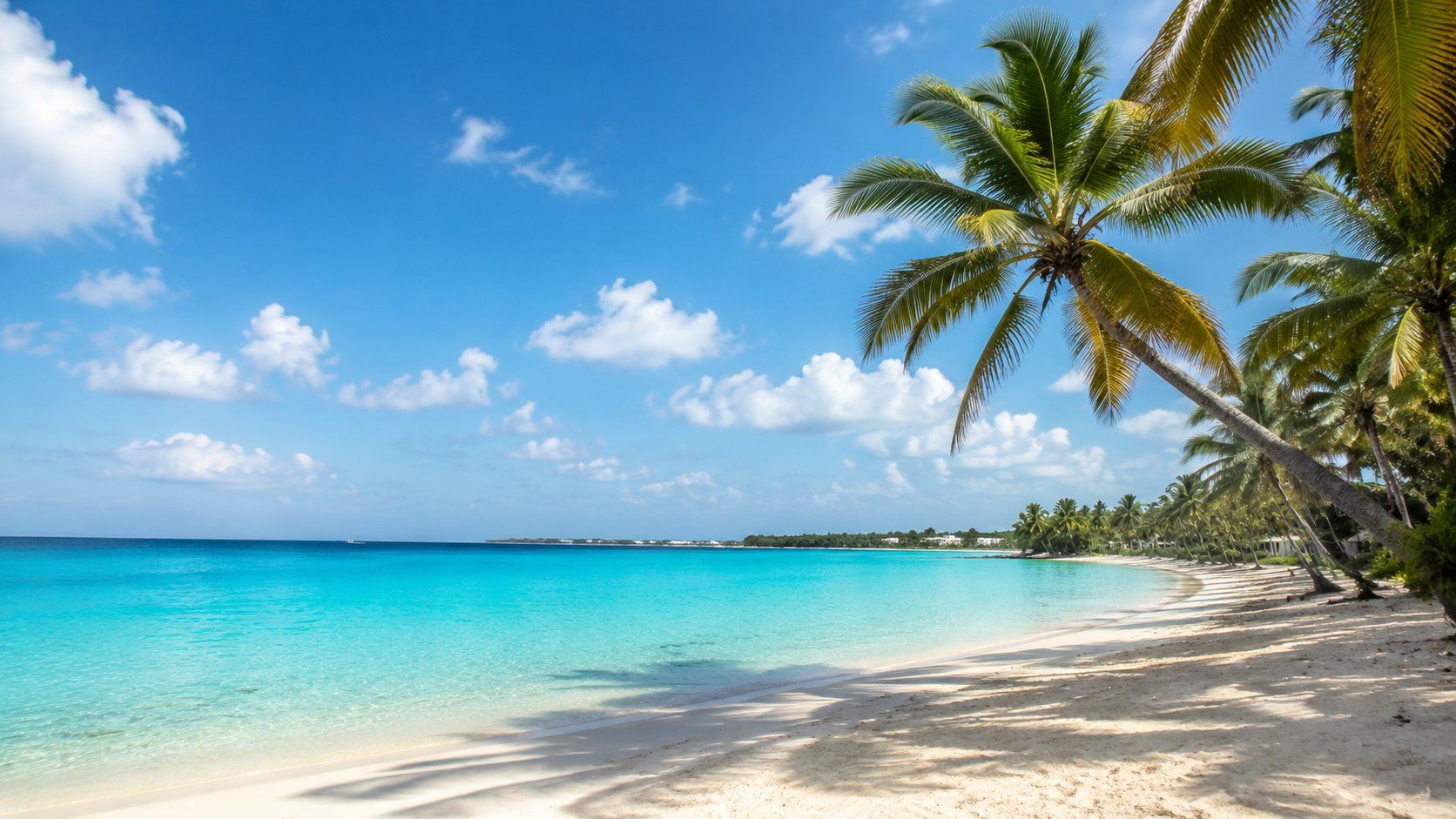
Caribbean hurricane season runs from June 1 to November 30. That's six months on the calendar, but the real high-risk window is much shorter, and a few Caribbean islands sit so far south they barely see a hurricane in a typical year. This is the timing breakdown we use when clients ask whether they should book a trip in September or wait.
Here's the month-by-month risk, which islands escape the hurricane belt entirely, and when the price-to-risk ratio is most favorable.
The short answer: when is Caribbean hurricane season?
Caribbean hurricane season officially runs June 1 through November 30. The peak risk months are mid-August through mid-October, with September being the highest-activity month historically. About 75% of named storms in a typical Atlantic season form in this window.
The rest of the calendar (December through May) is essentially hurricane-free. June, July, and most of November carry low but non-zero risk.
Month-by-month risk breakdown
June
Risk: Low. Storms can form in June but they're usually weak and short-lived. The water hasn't fully heated up yet. Prices start dropping mid-month as peak season ends. This is one of the best price-to-risk months of the year.
July
Risk: Low-medium. Slight uptick from June but still relatively quiet. Rainfall increases. Hurricane forecasts get noisier (more "tropical waves") but actual landfalls are uncommon. Good month for budget Caribbean trips.
August
Risk: Medium-high. Activity ramps up sharply in the second half of August. Water temperatures peak. Most years, August produces the season's first major hurricane. Prices are at their lowest of the year, but the math starts shifting against you.
September
Risk: High. The single most active month in the Atlantic hurricane season. Historically responsible for the most landfalls and the strongest storms. If you book a Caribbean trip in September, do it with travel insurance and a flexible cancellation resort policy.
October
Risk: Medium-high. Activity drops from September but the Caribbean specifically still sees major storms. The eastern Caribbean (Lesser Antilles) is most exposed early in the month.
November
Risk: Low. Activity drops fast in early November. By mid-month, the season is effectively over. Late November is excellent value: hurricane-season pricing, almost no hurricane risk, and weather that's already cooling toward perfect.
December through May
Risk: Negligible. Caribbean weather is at its best from late December through April. May is the shoulder month: cheap, calm, and great weather.
The islands that sit below the hurricane belt
The single most important fact about Caribbean hurricane season: the ABC islands (Aruba, Bonaire, Curaçao) sit south of the main hurricane belt and are statistically safe year-round.
These three islands have been hit by a direct hurricane only a handful of times in the last 100 years. Trinidad and Tobago, Grenada, and the southern coast of South America are also relatively protected. Compare this to the eastern Caribbean (Antigua, St. Lucia, Dominica, Puerto Rico), which sees regular tropical storms each season.
If you want a Caribbean trip during peak hurricane season (August-October), the ABC islands are the right answer 9 times out of 10. See our Aruba destination page for resort options.
The shoulder-season sweet spot
The price-to-risk math is most favorable in two specific windows:
Late April through early June
- Prices drop 30-40% from peak-season pricing
- Hurricane risk is still essentially zero
- Weather is consistently excellent
- This is the single best value window of the year
Mid-November through mid-December
- Prices haven't fully reset to holiday pricing yet
- Hurricane season is functionally over by mid-November
- Weather is excellent and cooler than peak summer
- The second-best value window
If you have date flexibility, target the second half of April or the first two weeks of December. These are the weeks we recommend most to value-conscious clients. See our cheapest Caribbean island guide for the specific island picks.
Should you book during hurricane season?
Yes, with two conditions:
- Get travel insurance with a "cancel for any reason" rider. Standard policies only cover named storms with formal evacuation orders, which is a narrow trigger. CFAR policies are about 30-40% more expensive than standard but they actually work.
- Pick a resort with a flexible weather policy. Sandals, Beaches, Hyatt, Hard Rock, and Excellence resorts all have published hurricane policies (usually credit-for-future-stay or refund if a hurricane warning is issued for your destination). Read the policy before you book.
If you check both boxes, hurricane-season Caribbean trips can save you 30-50% versus peak pricing. The risk is real but manageable.
Travel insurance: when it's worth it, what to look for
Travel insurance is worth it for any Caribbean trip over $1,500 per person, especially during hurricane season. The key features to look for:
- "Cancel for any reason" (CFAR) rider. This is the only feature that covers cancellations for fear of a storm rather than an active storm.
- Trip interruption coverage. Pays out if a storm cuts your trip short.
- Medical evacuation. Caribbean island medical evacuation can run $30,000-$100,000 without insurance.
- Pre-existing condition waiver. If you have any pre-existing conditions, this is often free if you buy insurance within 14 days of booking.
We recommend buying insurance within 24 hours of booking the trip to lock in the pre-existing condition waiver.
What happens if a hurricane hits your trip
The realistic scenarios, in order of likelihood:
- Nothing dramatic happens. Most "named storms" pass north of the Caribbean or fizzle out. You'll see clouds, maybe a half-day of rain, and the resort will run as usual. This is the most common outcome.
- The resort relocates you. If a storm is forecast to hit your specific island, most major chains will rebook you to a sister property in a different region at no cost. Sandals does this consistently.
- You take a future-stay credit. If the storm is large enough that the chain cancels the entire week, you'll typically get a 100% credit for a future stay (most chains' standard policy).
- You get a refund. Less common, but happens if your travel insurance triggers or if you booked through a tour operator with a formal refund policy.
Best months to visit the Caribbean by goal
Quick lookup table:
- If your goal is...: Cheapest possible trip / Best month: Late August / early September (highest risk)
- If your goal is...: Best price-to-risk ratio / Best month: Early May or early December
- If your goal is...: Best weather, any price / Best month: Late February or early March
- If your goal is...: Skip the crowds / Best month: Late April or early November
- If your goal is...: Family vacation, school schedule / Best month: June (lowest risk family-friendly month)
- If your goal is...: Honeymoon / Best month: Early November (calm, beautiful, post-season)
FAQ
When is hurricane season in the Caribbean?
Caribbean hurricane season runs from June 1 to November 30. The peak risk window is mid-August through mid-October, with September historically the most active month.
Which Caribbean islands don't get hurricanes?
Aruba, Bonaire, and Curaçao (the ABC islands) sit below the main Caribbean hurricane belt and rarely see direct hurricane hits. Trinidad, Tobago, and southern Grenada are also relatively protected.
Is it safe to travel to the Caribbean during hurricane season?
Yes, traveling to the Caribbean during hurricane season is generally safe as long as you buy travel insurance with a "cancel for any reason" rider and pick a resort with a flexible weather policy. The hurricane risk is real but manageable, and prices drop 30-50% versus peak season.
What is the cheapest time to visit the Caribbean?
The cheapest time to visit the Caribbean is late August through early October, during peak hurricane season. The best price-to-risk ratio is in early May or late November, where prices are still discounted but hurricane risk is minimal.
Should I buy travel insurance for a Caribbean trip?
Yes, especially for trips during hurricane season or trips over $1,500 per person. Look for a "cancel for any reason" rider, trip interruption coverage, and medical evacuation coverage.
The Bottom Line
Caribbean hurricane season runs June 1 to November 30, with peak risk in September. The ABC islands (Aruba, Bonaire, Curaçao) escape the hurricane belt and are safe year-round. The best price-to-risk windows are late April through early June and mid-November through mid-December.
For specific resort picks across all 30+ Caribbean islands, see our best Caribbean islands ranking, or check current pricing on our Caribbean deals page. For shoulder-season packages with hurricane policies built in, comment "DEALS" on any of our Instagram posts and we'll send you live pricing.
Want a Caribbean trip outside the hurricane belt? Check current rates for Divi Aruba All Inclusive on Expedia
Booking a group, or want a rate you will not find on Expedia?
I book as a travel advisor with access to agent-only pricing, resort credits, and group perks. Tell me your dates and I will price it against whatever you just saw.
Get my agent rateFree planning for a limited time. Proposal within 24 hours.