Jamaica's Hotel Tax Is Going Up in 2027. Here's What It Actually Means for Your Trip
Jamaica's government has confirmed a plan to raise the General Consumption Tax on hotel accommodation from 10% to 15%, phased in through April 2027. Here's what it means for your trip, and why it's not a reason to worry yet.
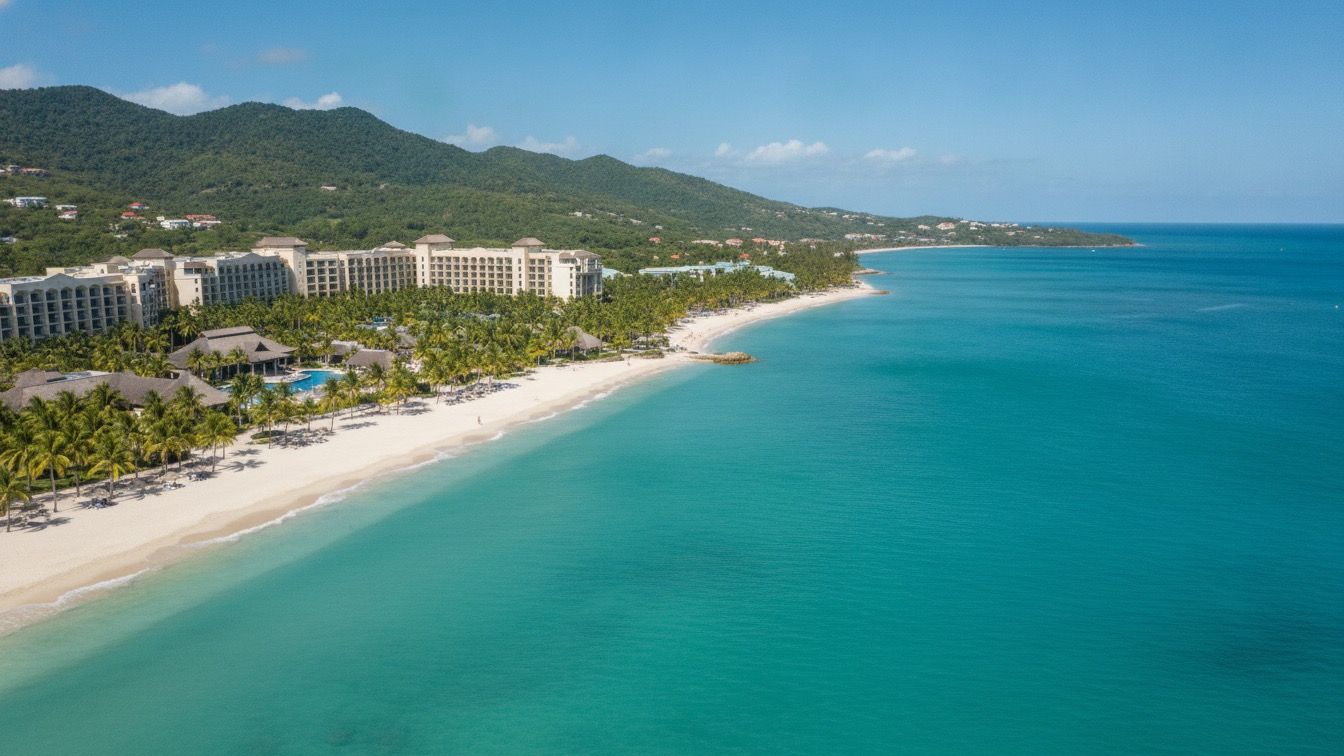
Jamaica's government has confirmed plans to raise the General Consumption Tax (GCT) on hotel accommodation from 10 percent to 15 percent, with the increase phased in through April 2027. Finance Minister Fayval Williams announced the measure as part of this year's revenue package, and it is projected to bring in roughly J$11.4 billion a year for the country. The tourism industry has pushed back hard, and the change is still more than a year away, so here's what's actually going on and what it means if you have a Jamaica trip on your radar.
What's changing
Right now, hotel stays and certain other tourism activities in Jamaica carry a concessional GCT rate of 10 percent, lower than the standard 15 percent rate applied to most goods and services on the island. The government's plan closes that gap. Instead of hotels getting a discounted tax rate, they'll eventually be taxed at the same 15 percent rate as everything else, a 50 percent jump from where accommodation taxes sit today.
The increase isn't happening all at once. It's set to be phased in over two fiscal years, with the full 15 percent rate taking effect around April 2027. That timeline matters, because it means anyone traveling to Jamaica between now and then is booking under the current, lower rate.
Why now
The government has tied the timing partly to the country's finances following Hurricane Melissa, which caused billions of dollars in damage when it struck in October 2025 and left thousands of hotel rooms offline for repairs. Jamaica's finance ministry has framed the broader tax package, which also touches sweetened beverages, cigarettes, and alcohol, as part of closing a fiscal gap while the country rebuilds. The tourism sector, as one of Jamaica's largest revenue generators, is a natural place for the government to look for that revenue.
The industry's case against it
The Jamaica Hotel and Tourist Association (JHTA) has been the loudest voice pushing back, and its argument is worth understanding even if you're just planning a vacation. Hotel rooms and vacation packages are often sold to tour operators and wholesalers 18 months to two years in advance, at prices locked in long before this tax exists. That means many properties can't simply pass the new cost on to travelers who already have bookings on the books, they'd have to absorb it instead. The JHTA has also raised competitiveness concerns, pointing out that all-inclusive packages in destinations like the Dominican Republic already run noticeably cheaper per night than comparable options in Jamaica. A tax increase, the industry argues, could widen that gap further at a moment when the island is still working to rebuild visitor numbers post-hurricane. As of this writing, the JHTA and the finance ministry have been in ongoing talks, and the policy has not been finalized into law.
What this actually means for your trip
Here's the honest, non-alarmist version: if you're booking a Jamaica trip anytime before April 2027, this doesn't touch you. The current 10 percent rate still applies, and nothing about your total cost changes because of this news.
If your travel dates fall after the new rate is in place, the impact is a modest line-item increase, not a reason to rethink the destination. A 5-percentage-point jump on the accommodation portion of a stay works out to roughly an extra $8 to $15 a night on a mid-range all-inclusive room rate, depending on the property and season. That's meaningfully less dramatic than it sounds in headlines calling it a "50 percent tax hike," because that percentage describes the change in the tax rate itself, not a 50 percent increase in your total trip cost. Meals, activities, and airfare aren't part of this particular tax change.
Jamaica has weathered tax and fee adjustments before without it changing the fundamentals: it's still one of the most developed all-inclusive markets in the Caribbean, with resorts in Negril, Montego Bay, and Ocho Rios spanning every budget, plus a deep bench of adults-only properties for couples who want a quieter stay. It's also worth keeping this in context with the region's other recent fee changes, since several Caribbean and Mexico destinations have introduced or raised tourist fees over the past year, and Jamaica's move isn't happening in isolation.
If safety or travel conditions are part of what you're weighing alongside cost, we keep a running page on whether Jamaica is safe to visit and a broader look at Caribbean travel advisories worth checking before you book, separate from this tax issue entirely.
The bottom line
This is a real policy change, confirmed by Jamaica's government and still being negotiated with the hotel industry, but it's a 2027 story, not a today story. If you're planning a trip in the next several months, your pricing is unaffected. If you're looking further out, budget for a modest per-night bump on accommodation, not a reason to cross Jamaica off the list. Given how many moving pieces there are between contract timing, resort-by-resort pricing, and how each property chooses to handle the increase, this is exactly the kind of detail worth running past someone who watches these markets closely. If you want help sorting out timing and pricing for a Jamaica trip, you can plan your trip with me and I'll walk you through what makes sense for your dates and budget.
We'll keep this page updated as the GCT increase moves through further talks between the JHTA and the finance ministry, and as the phase-in schedule firms up closer to 2027.
Booking a group, or want a rate you will not find on Expedia?
I book as a travel advisor with access to agent-only pricing, resort credits, and group perks. Tell me your dates and I will price it against whatever you just saw.
Get my agent rateIncluded with Vacation Vault membership, $5.99 a month. Proposal within 24 hours.